Chapter 10: The Call of Life
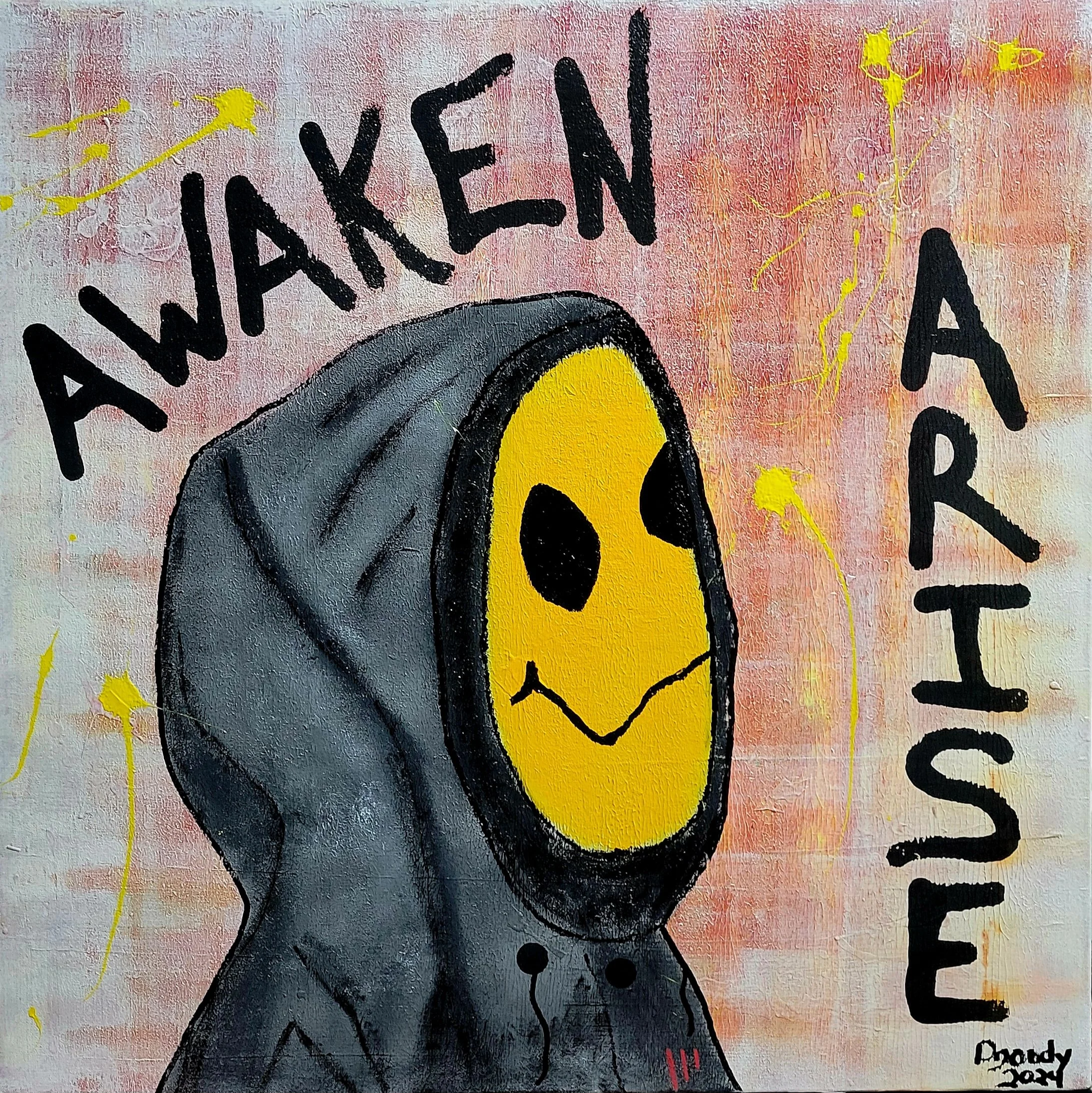
“The Call of Life".” Acrylic on 30 × 30 × 1.5 inch canvas.
Ansel discovers healing is not only about learning new skills. Healing is also about unlearning the habits that once kept him safe. Fear taught him to shrink. Anxiety taught him to perpetually anticipate disaster. The mask taught him to perform calmness instead of feeling it. These patterns were built over years, layered up, each one a response to pain or uncertainty. Now, therapy asks him to loosen his grip on them, not all at once, but layer by layer.
Unlearning strangely feels harder than learning.
It requires him to pause in moments when his instincts scream for action. When a spike of fear rises in his chest, his reflex is to brace, think the worst, and search for danger. Instead, he practices stillness. He lets the sensation exist without assigning it meaning. The first few times, it feels like standing on thin ice that barely holds. The fear crests, then recedes, leaving him surprised by his own endurance.
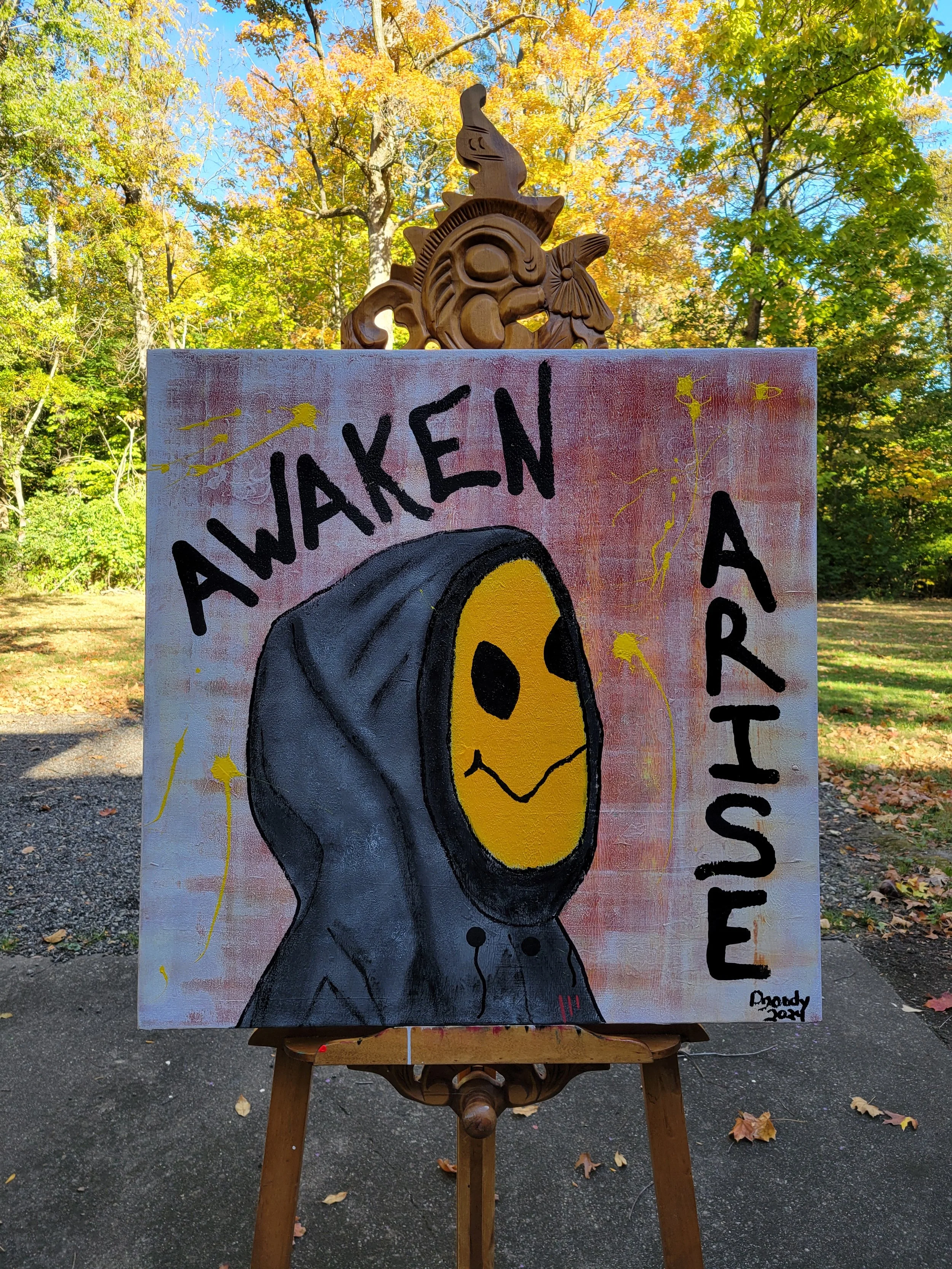
“The Call of Life” outside in natural light.
He notices how often he apologizes for things that require no apology. A misplaced word, a moment of silence, a simple request. His therapist gently points this out, and Ansel feels a flush of embarrassment. He hadn’t realized how deeply he had internalized the belief that his needs were burdens on others. Unlearning this means speaking up, even when his voice trembles. It means asking for clarity instead of pretending he understands. It means letting himself take up space.
Some days, progress feels invisible. Other days, it feels like a quiet revolution.
He practices saying “no” without offering elaborate explanations. He practices saying yes without guilt. He practices resting without earning it. These small acts feel radical, almost rebellious, as though he is rewriting the rules of his own existence. And in a way, he is.
But the unlearning also brings grief.
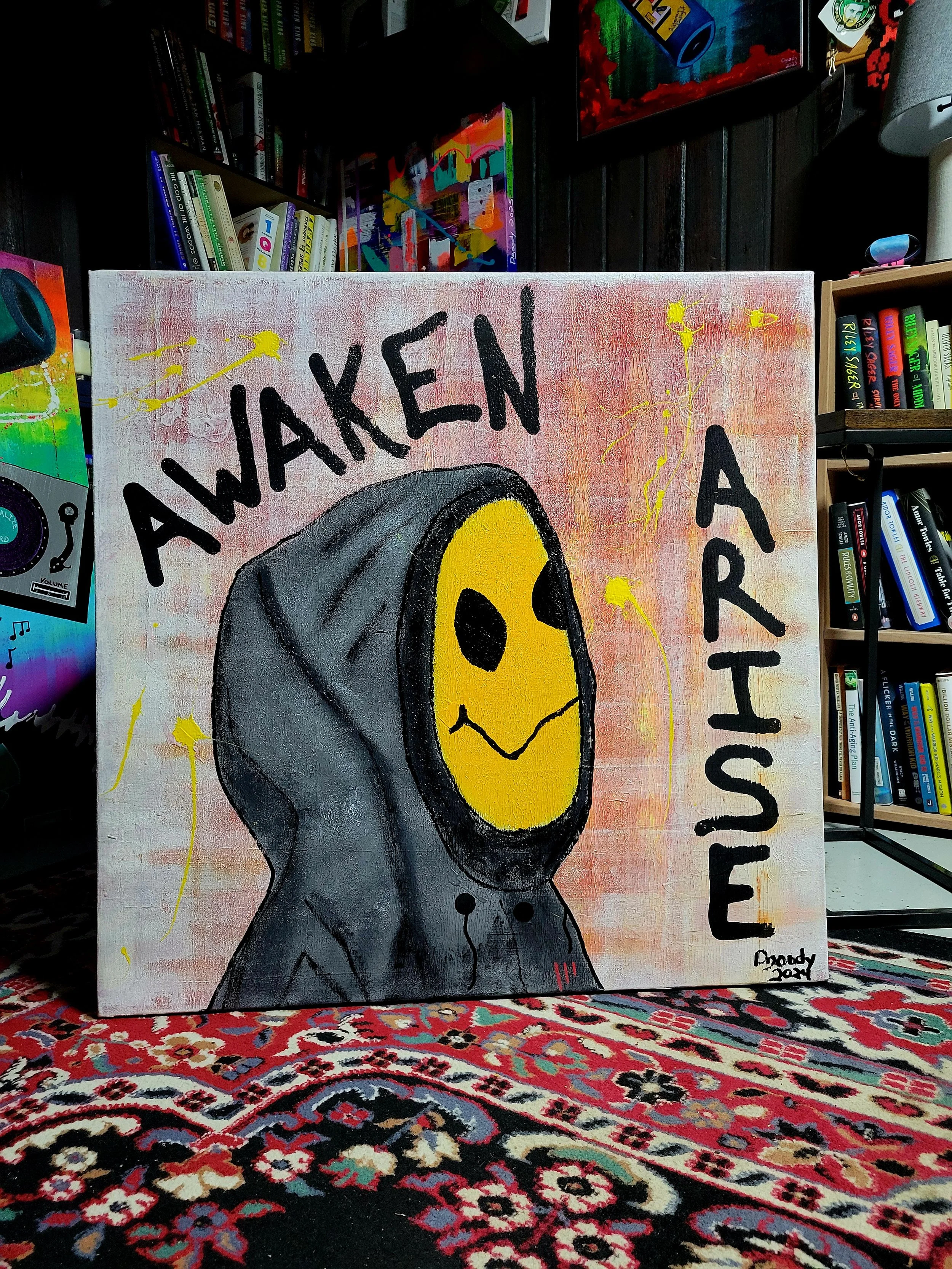
“The Call of Life” indoors and in LED lighting.
There are moments when he mourns the younger version of himself who had to build these defenses in the first place. The boy who learned to stay quiet to avoid conflict. The teenager who hid his fear behind sarcasm. The young adult who believed that vulnerability was a liability. These versions of him were doing their best. They survived so he could grow. Honoring them becomes part of the work.
As the weeks pass, Ansel notices subtle shifts in how he moves through the world. Conversations feel less like performance pieces and more like exchanges. Decisions feel less like traps and more like choices. Even the unwelcome companion seems less authoritative, its voice losing some of its old certainty. Not silent. Never silent, but softer, less convincing.
One evening, after a long day of practicing these new ways of being, Ansel sits on his couch with a nice, pour over cup of coffee warming his hands. The apartment is quiet; the air is still. He feels a sense of spaciousness inside himself, as though something heavy has finally been set down. It is not peace exactly, but it is something adjacent, a gentle easing, a loosening of the knots that once held him tight.
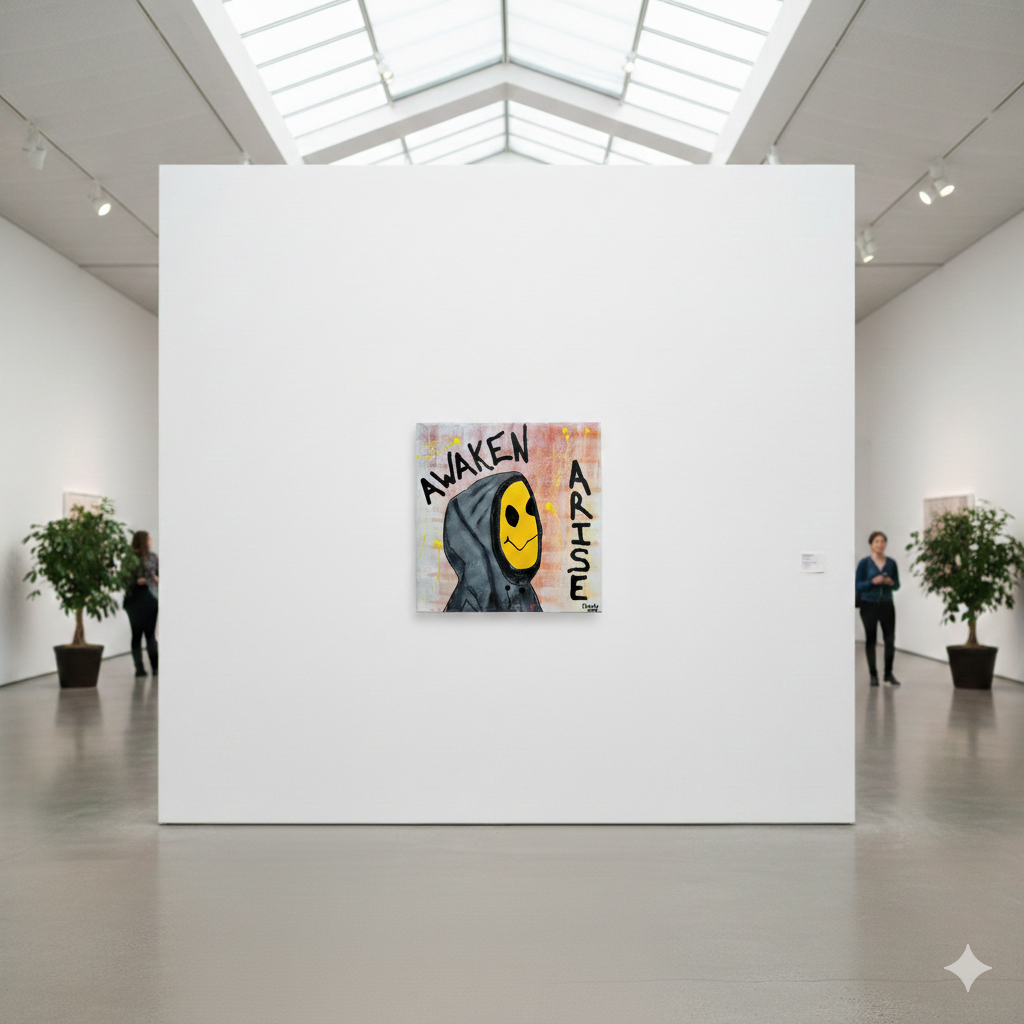
“The Call of Life” as if it were hung in an open, well-lit gallery setting.
He realizes that authenticity is not a destination. It is a practice. A daily choice to show up as he is, not as he thinks he should be. A willingness to let the world see the unpolished, unguarded parts of him. A commitment to trust that he can survive being known.
Unlearning is slow, imperfect, and often uncomfortable. But it is also liberating.
And as Ansel sits in the quiet glow of his living room, he senses that he is becoming someone new, not by force, but by release. Not by adding layers, but by shedding them. Not by becoming someone else, but by finally returning to himself.