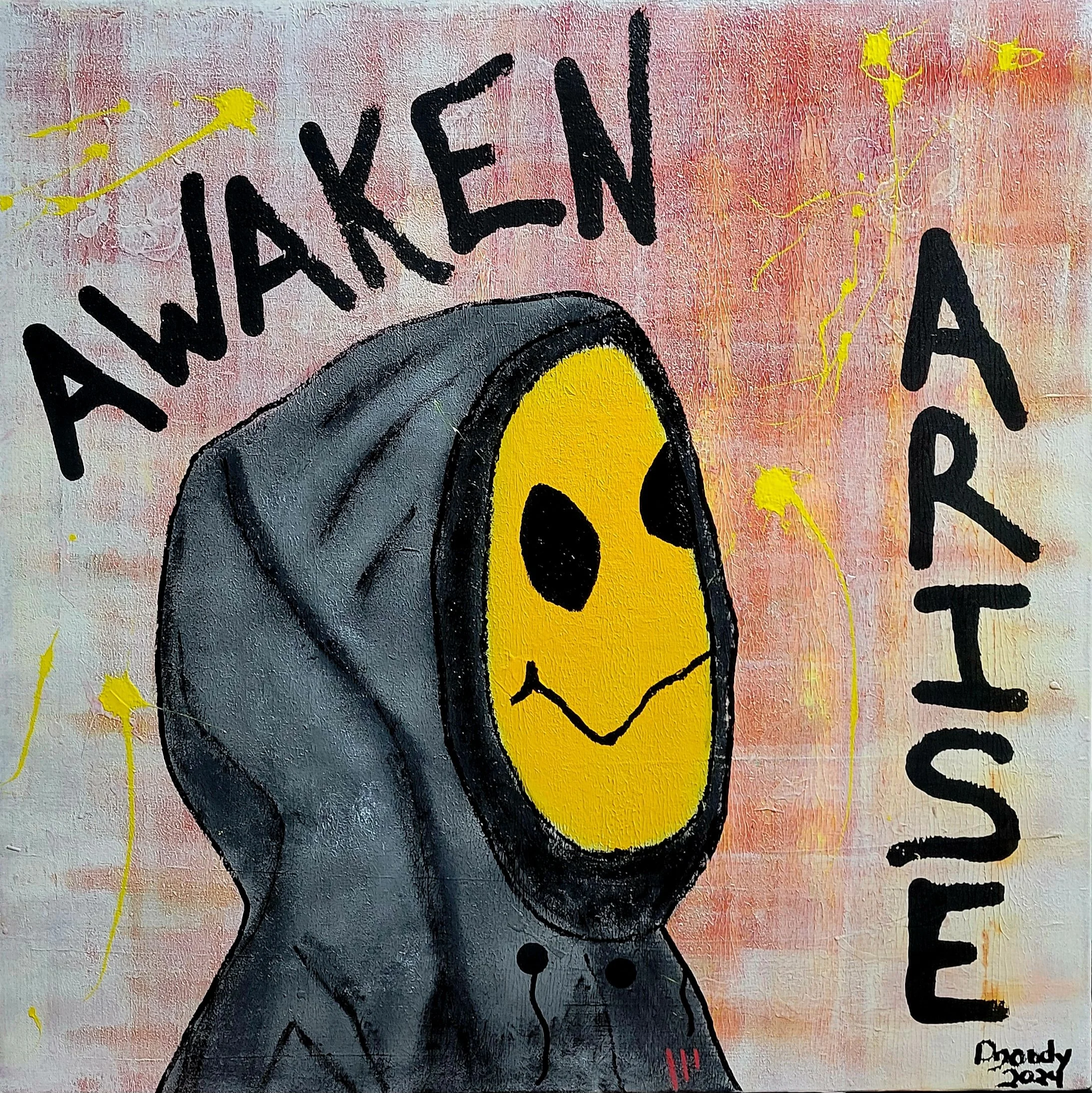
Chapter 10: The Call of Life
Ansel discovers healing is not only about learning new skills. Healing is also about unlearning the habits that once kept him safe. Fear taught him to shrink. Anxiety taught him to perpetually anticipate disaster. The mask taught him to perform calmness instead of feeling it. These patterns were built over years, layered up, each one a response to pain or uncertainty. Now, therapy asks him to loosen his grip on them, not all at once, but layer by layer.
Unlearning strangely feels harder than learning.
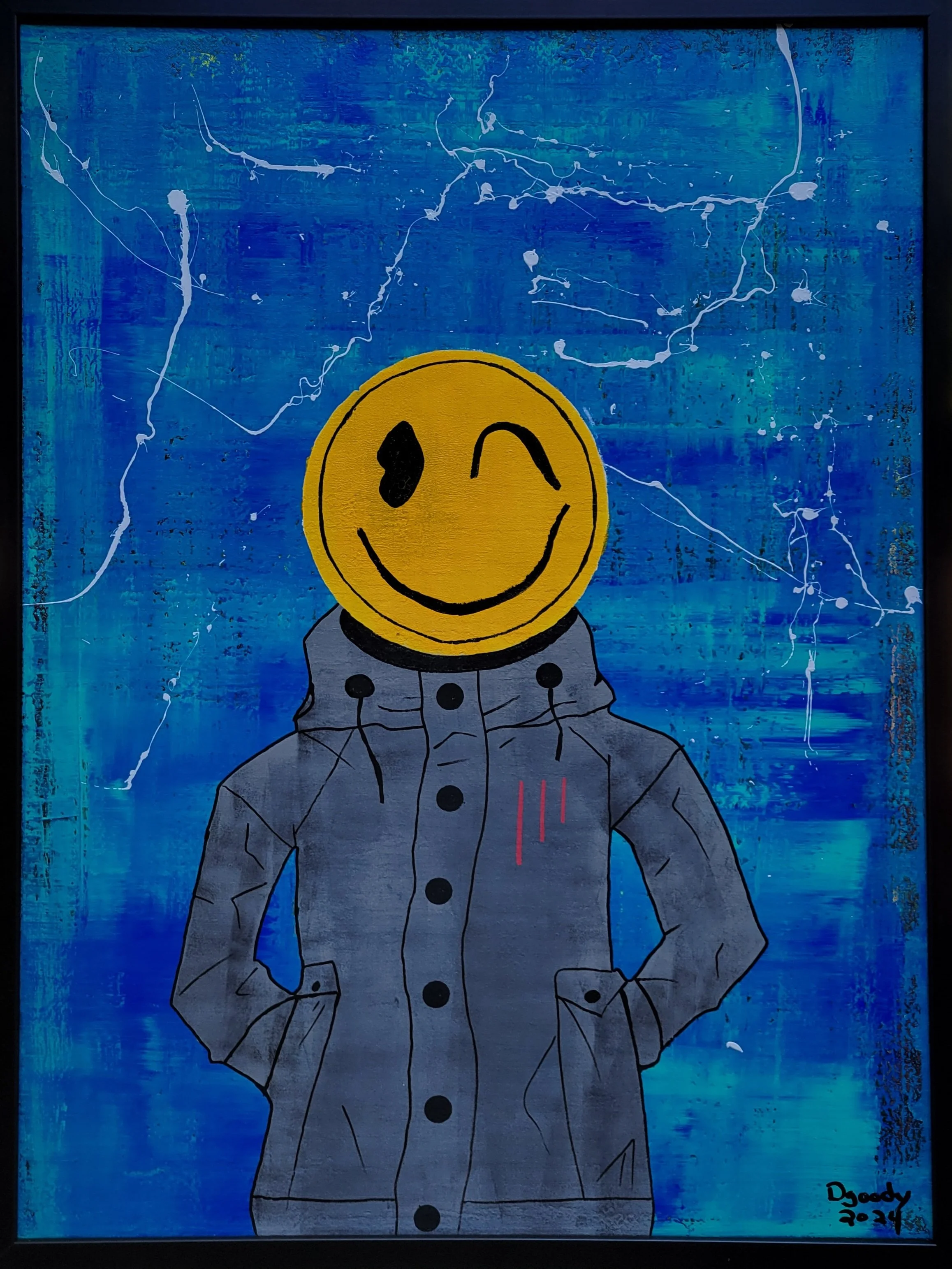
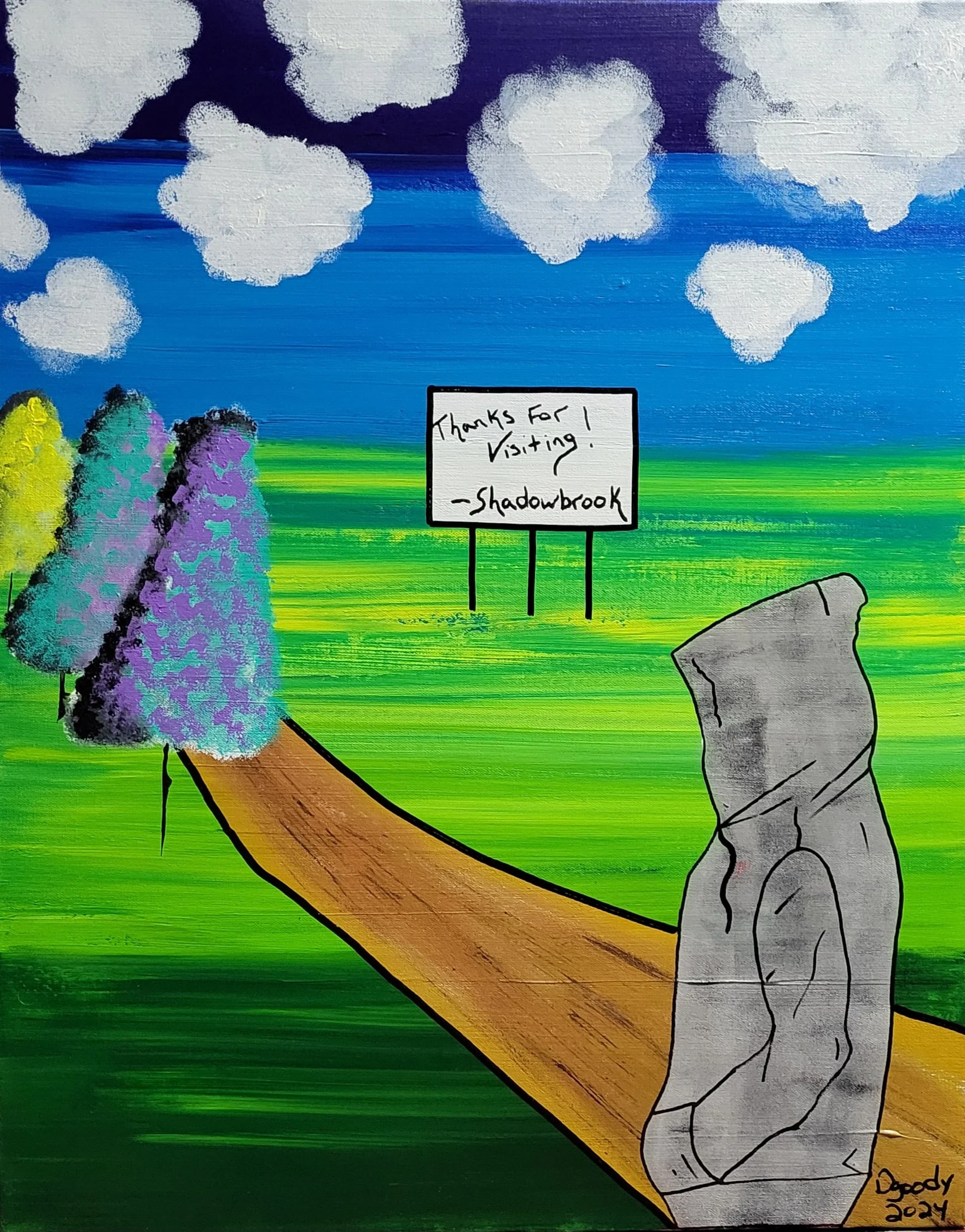
Chapter 8: “Change Your Place to Change Your Mind”
Ansel never believed geography could alter the landscape of the mind. He always assumed wherever he went, the unwelcome companion would follow, like a shadow stitched to his heels. However, therapy had planted a small, persistent idea in him: sometimes the body must move first, and the mind will follow.
He begins with simple shifts.
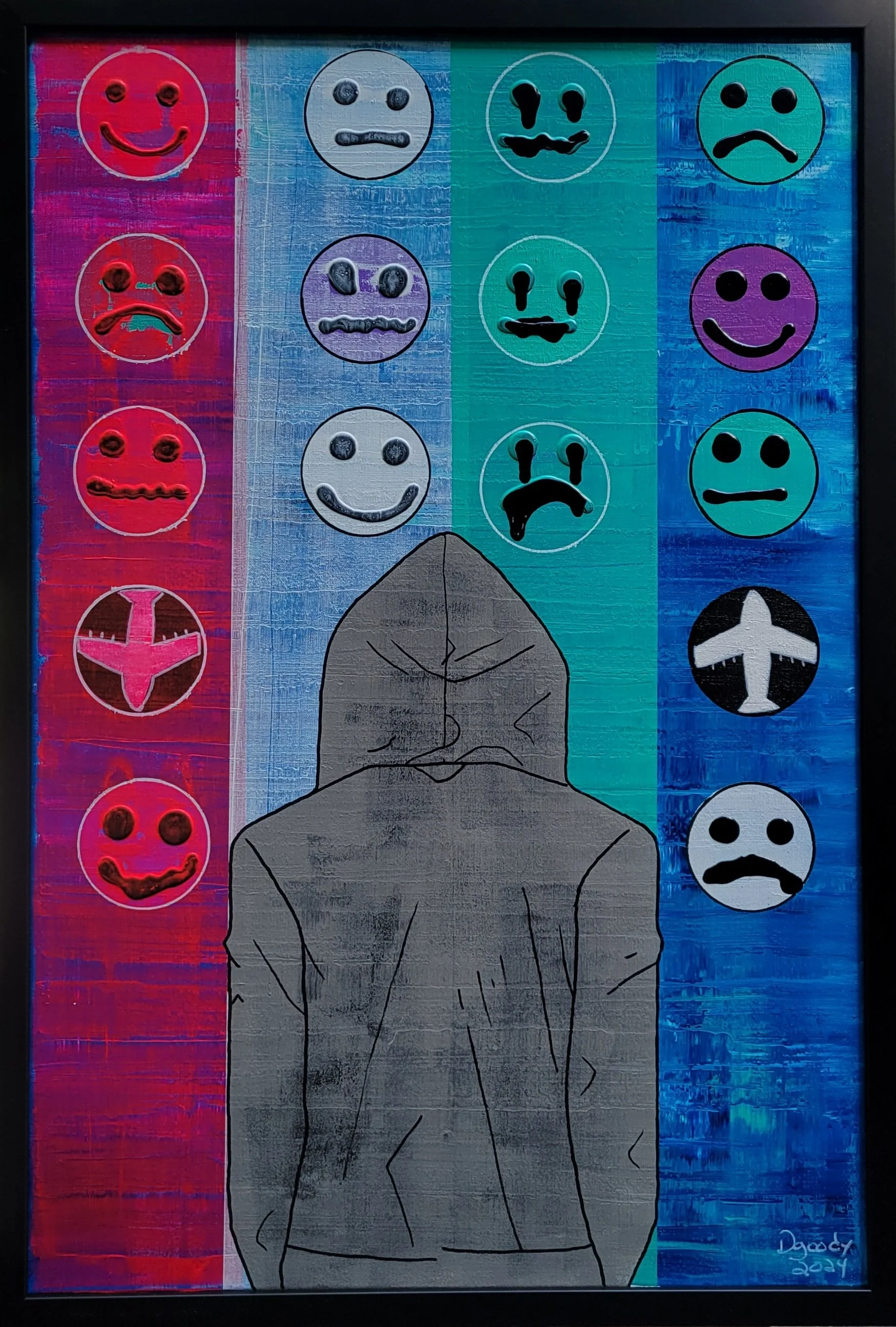
Chapter 7: “Exposure Therapy”
Healing rarely announces itself with loud horns and fanfare. For Ansel, it begins in a small, softly lit room with a chair that creaks when he shifts his weight and an online therapist who speaks with a calm that feels almost foreign. Exposure therapy — the phrase alone tightens something in his chest. It sounds clinical and sterile, but the work is anything but. It is raw. It is intimate. It is a slow untangling of fear.
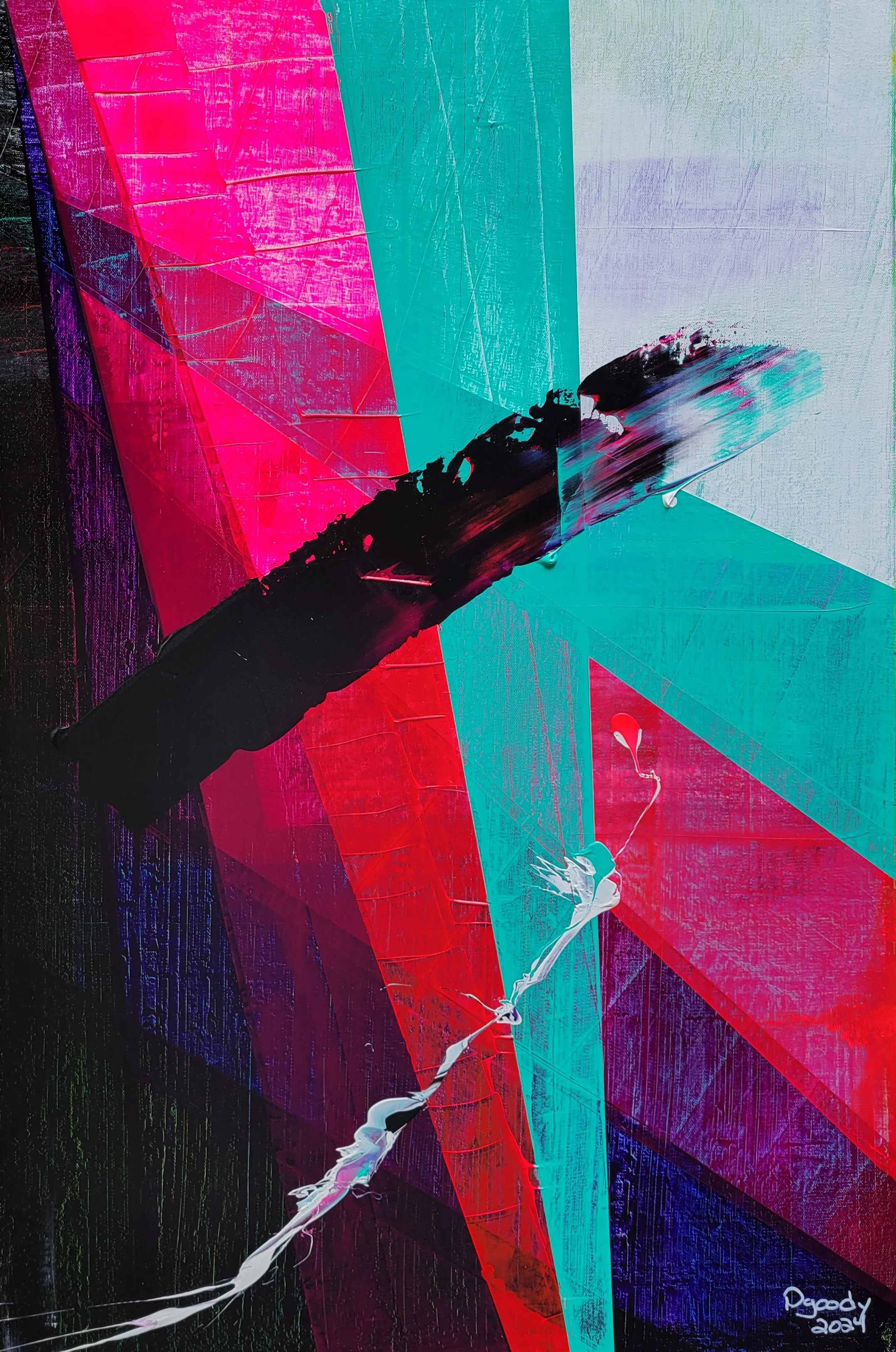
Chapter 6: “Passage Toward Light”
Morning in Shadowbrook often arrives muted, the sun filtered through layers of fog and mist. Yet for Ansel, even this dim light feels like a reprieve. A fragile democracy restored after the tyranny of night. The coup has ended, the shadow cabinet dissolved, and the Mayor of Despair resumes his post. But something is different. He is no longer content to govern by fear alone. He is drafting mental reform for cognitive transition.
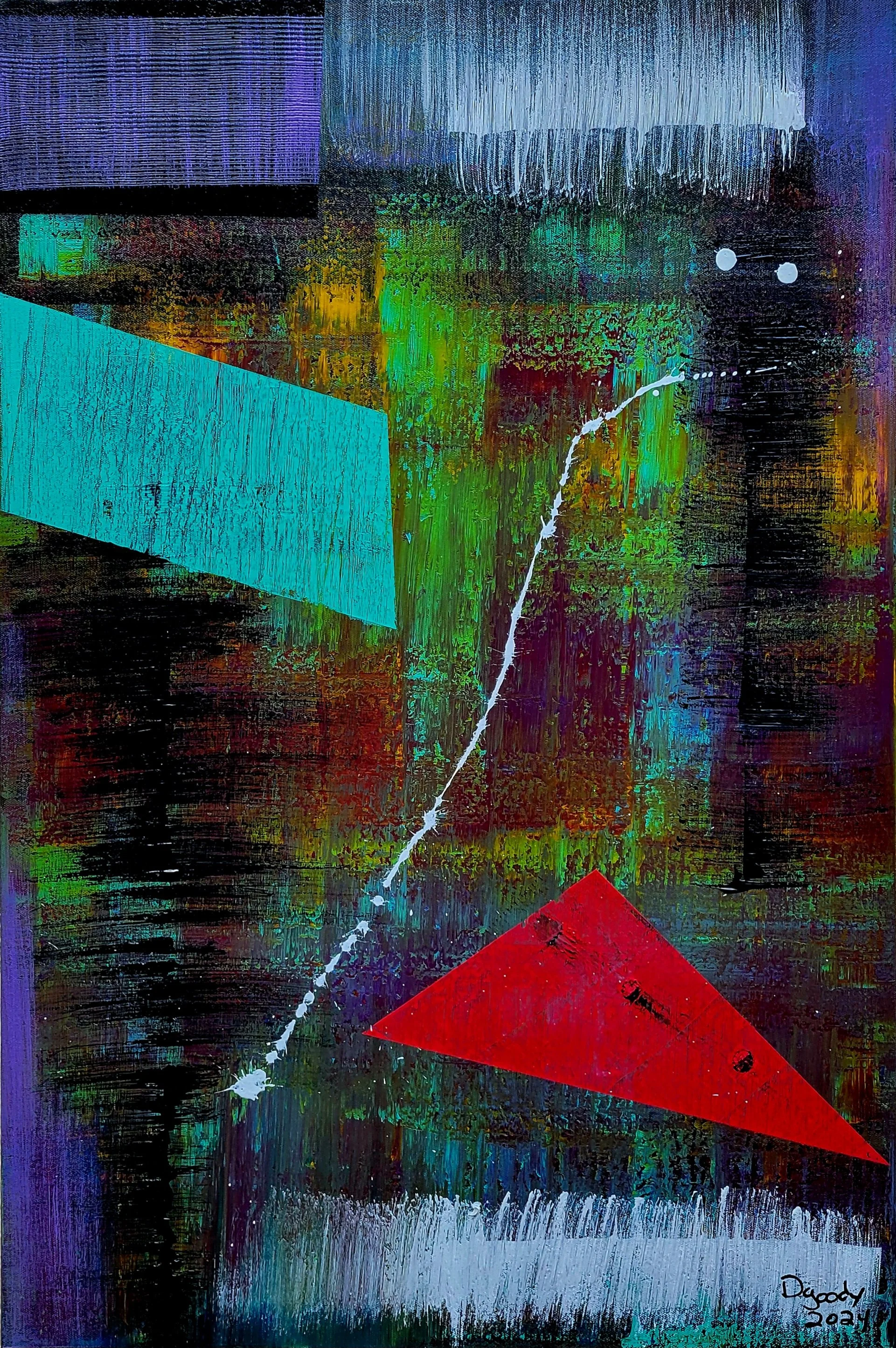
Chapter 5: “Terrified by the Shades of Night”
For most, sleep is a gentle surrender. A slow drift into silence or a soft curtain drawn across the day. For Ansel, it is a heightened cliff. Each night he stands at its edge, eyelids heavy, body aching for rest, yet unable to step forward without terror. The descent into unconsciousness feels less like release and more like freefall into a void where his unwelcome companion waits.
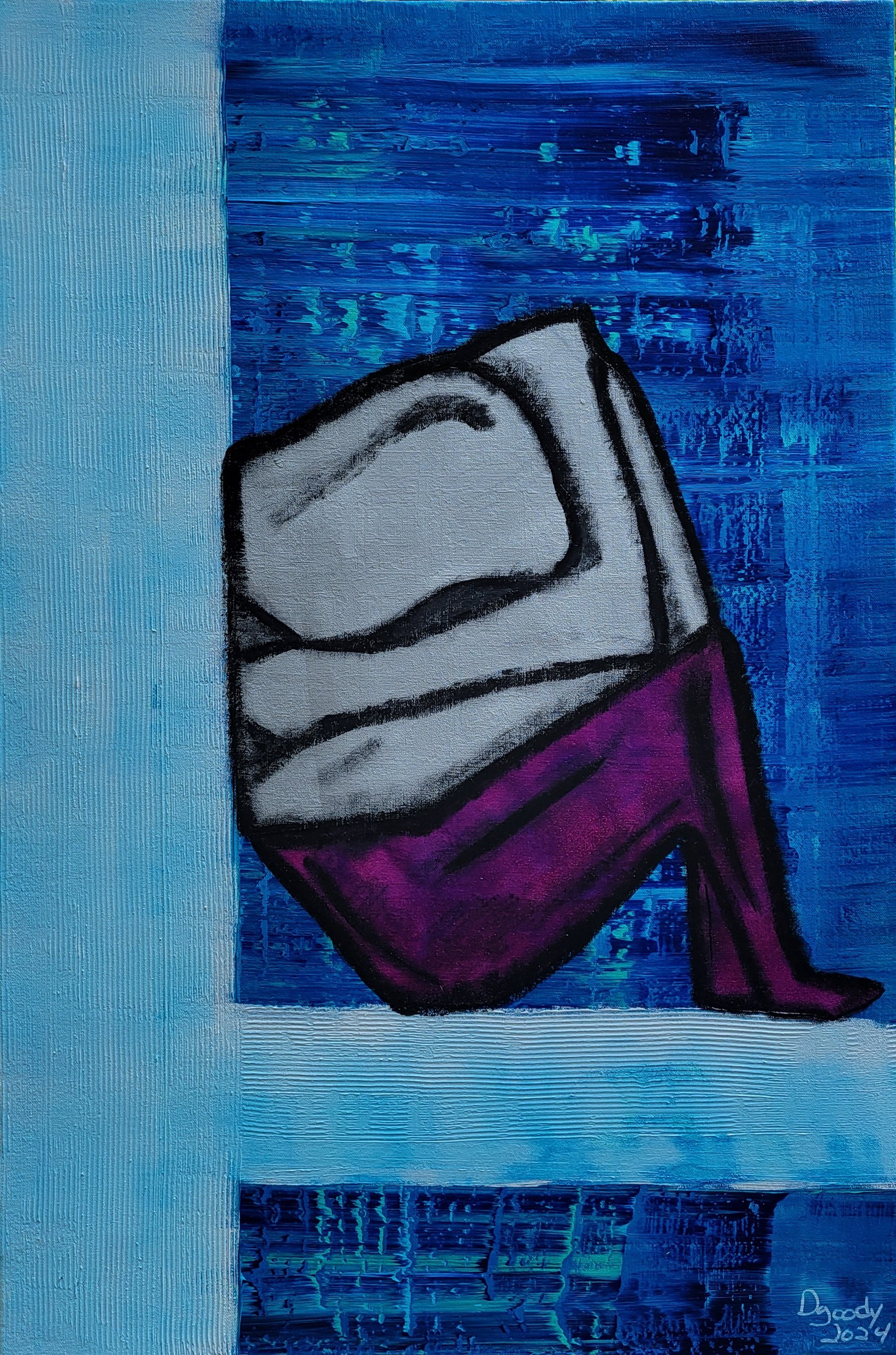
Chapter 4: “Mayor or Despair”
Ansel often jokes, bitterly, that he is the “Mayor of Despair.” But beneath the humor lies a truth he cannot escape: his mind is a city governed by fear, and he is both its reluctant leader and its most captive citizen.
Within this city, the streets are crowded with anxieties. Every alleyway hides a catastrophe waiting to unfold. The skyline is dominated by towers of doubt, their windows glowing with imagined disasters. Even the parks and open spaces — places meant for rest — are overrun with whispers of what could go wrong. And at the center of it all sits Ansel, presiding over a council he never asked to lead.
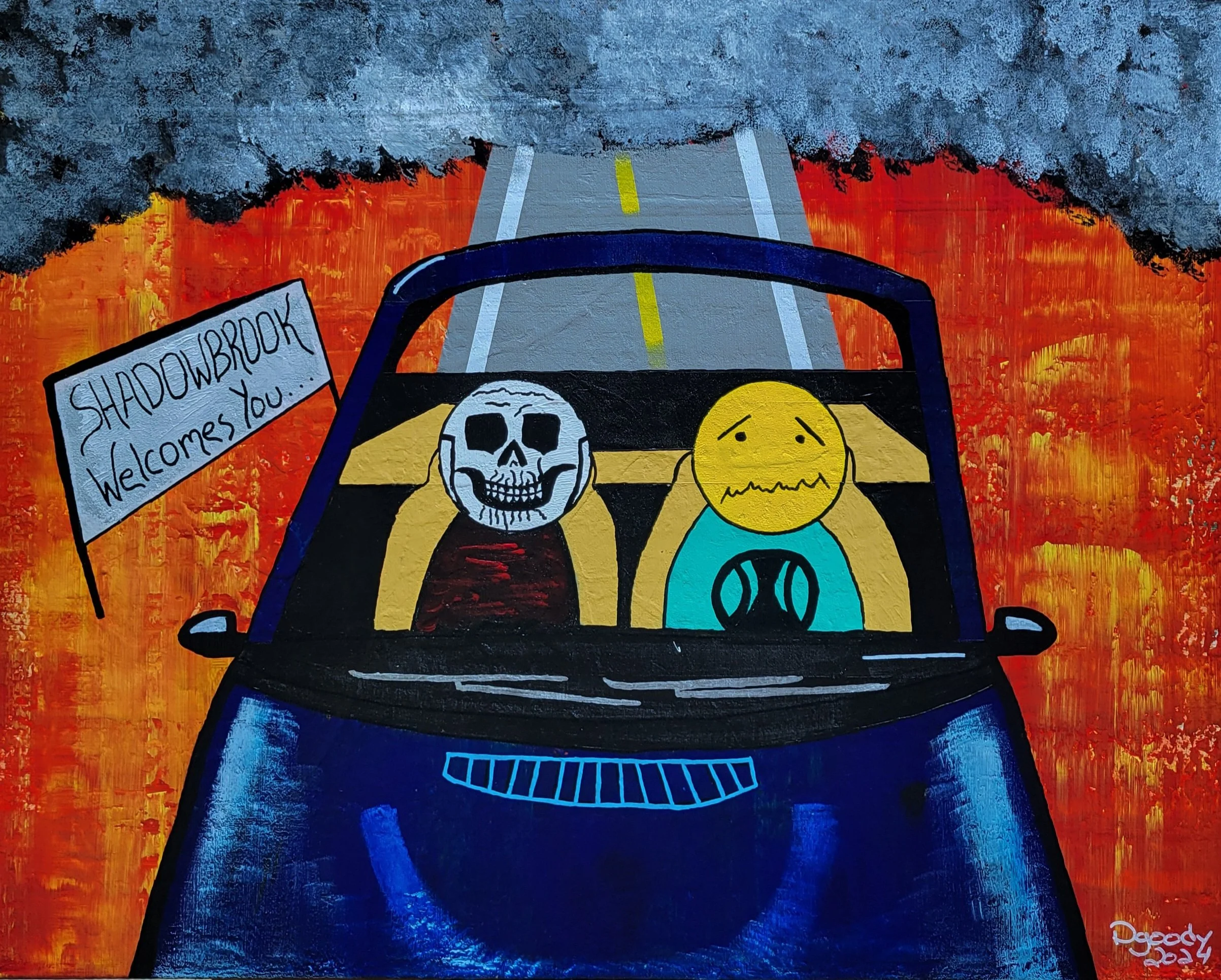
Chapter 3: “Unwelcome Companion”
Ansel Kincaid has never lived alone — not truly. Though his apartment in Shadowbrook is quiet, and his phone rarely rings, there is always someone with him. A presence. A voice. A shadow stitched into the seams of his consciousness. He calls it the “unwelcome companion.”
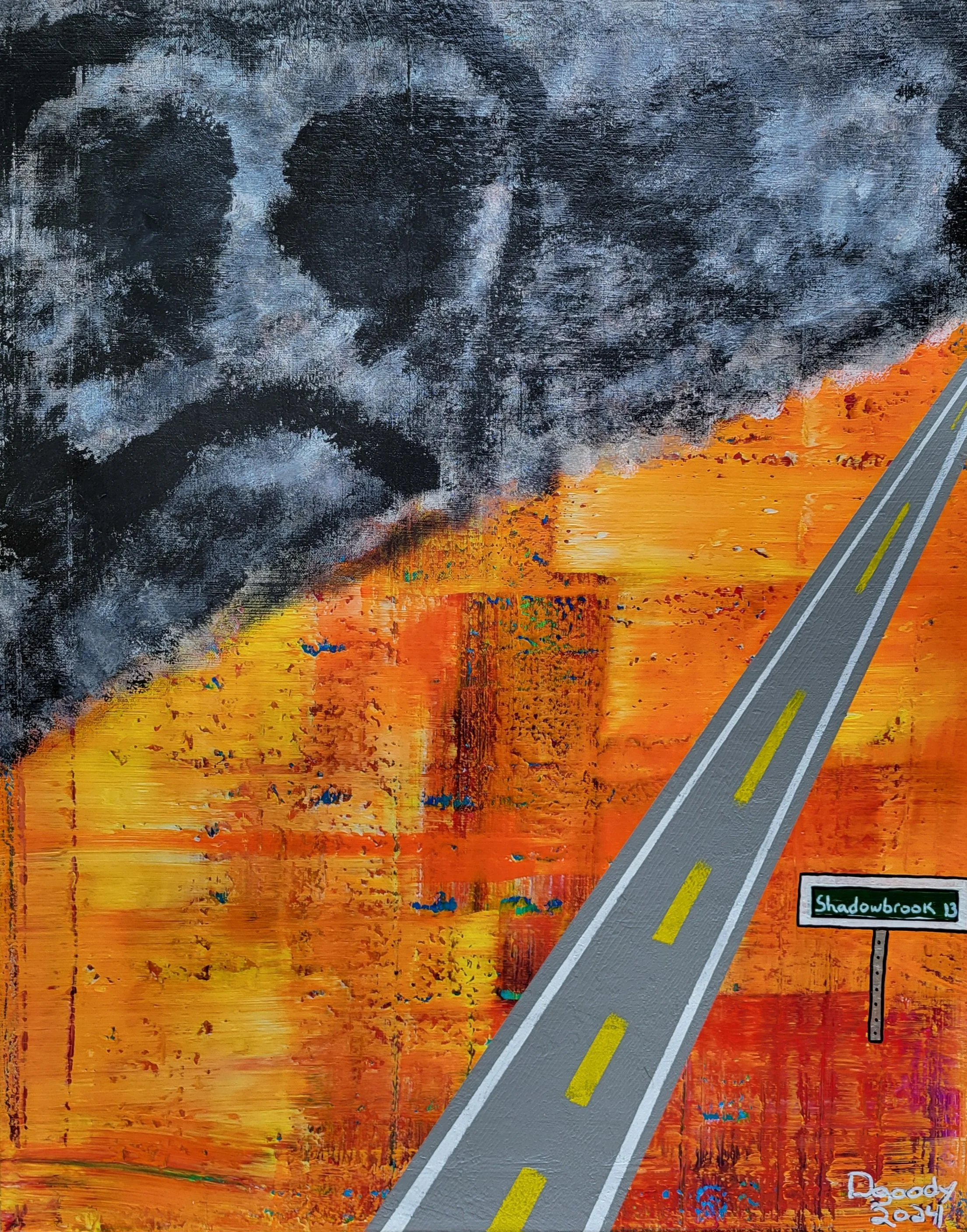
Chapter 2: “Dark Clouds on Sunny Days”
Shadowbrook is a place that seems to exist between worlds — not quite real, not entirely imagined. To outsiders, it’s a town tucked in a valley, surrounded by towering forests and steep hills that seem to eagerly lean forward, as if trying to keep quiet secrets. To Ansel Kincaid, it’s something more: a mirror of his mind, a landscape shaped by fog and memory, where the weather never seems to completely clear and the past never quite lets go.

Chapter 1: “A Portrait of Ansel Kincaid”
From the series: A Highway of Intrusive Thoughts
“A Portrait of Ansel Kincaid”
What follows is a brief biography of Ansel Kincaid. Our protagonist and most common narrator throughout “A Highway of Intrusive Thoughts”.
Name: Ansel Kincaid
Age: 38
Occupation: Freelance Graphic Design
Location: Shadowbrook