Chapter 9: Mask of Tranquility
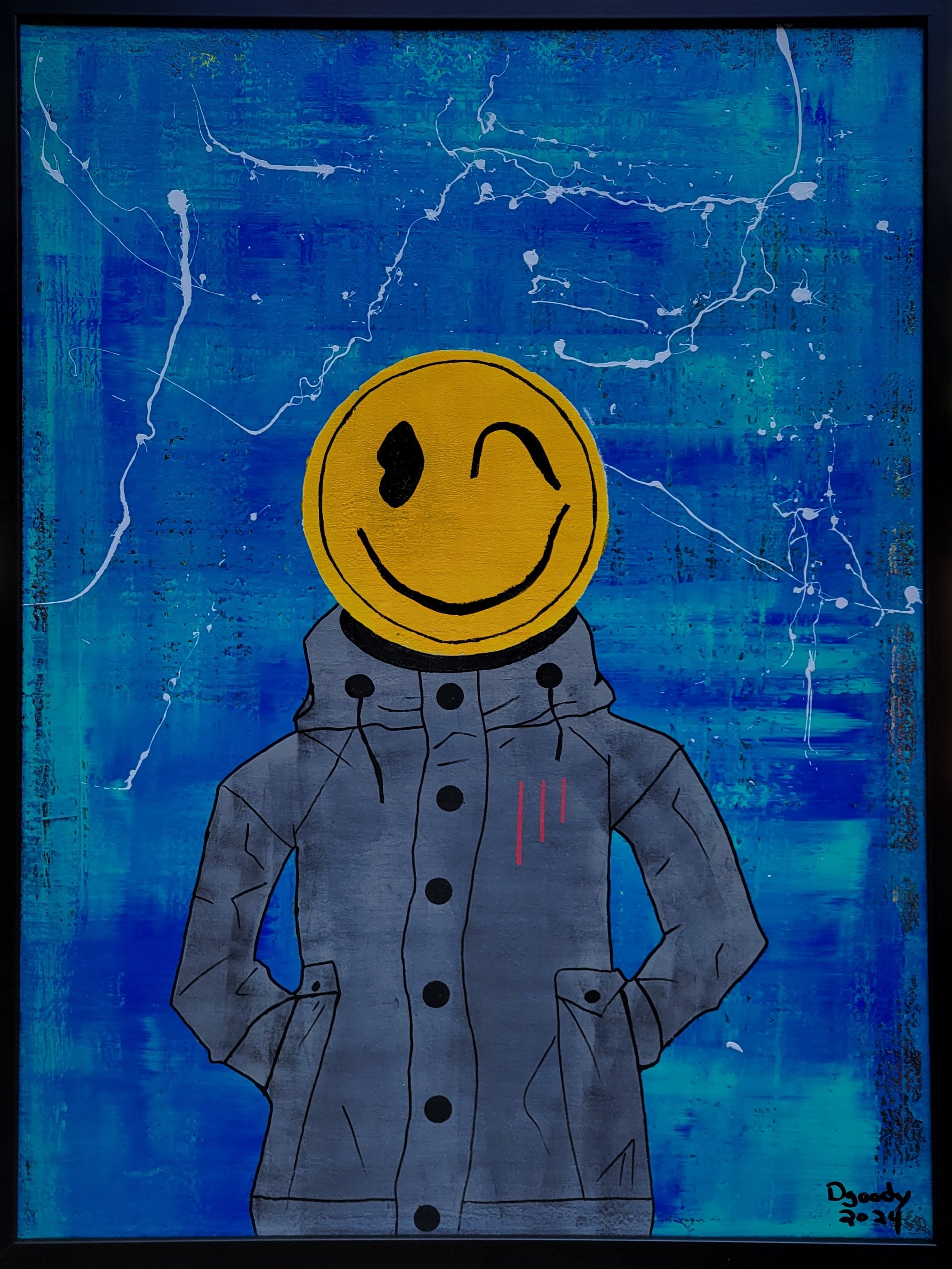
Mask of Tranquility, framed and 30 × 40 × 1.5 inches
There are days when Ansel moves through the world with a practiced stillness. A calm so polished it almost gleams. To an observer, he appears composed, steady, and untroubled. His voice is even. His gestures are measured. His smile, though faint, is generally convincing. It is a performance he has perfected with practice, a mask he slips on with the ease of muscle memory.
But beneath that surface lies a different landscape entirely.
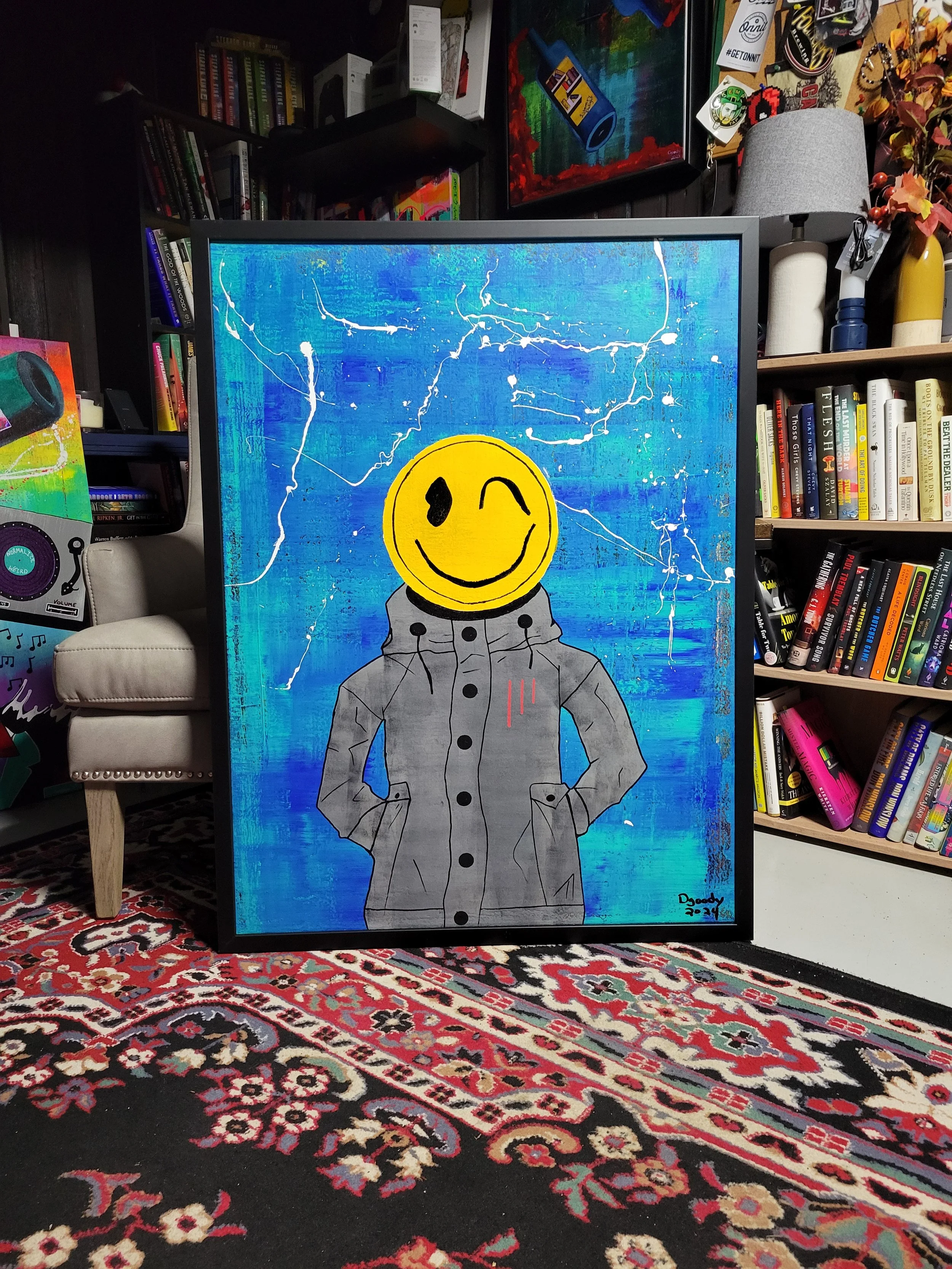
Mask of Tranquility displayed in LED lighting.
Inside, his thoughts flicker like restless birds, darting from one imagined danger to the next. His chest tightens without warning. His breath catches in small, invisible stutters. The unwelcome companion murmurs constantly, a low hum of doubt and dread that never fully quiets. Yet none of those feelings show. He has learned to keep the storm contained, to let the world see only the calmest edge of the waves.
The mask is not deception. It is survival.
Ansel wears it to protect others from the weight he carries, but also to protect himself from the vulnerability of being seen too clearly. He fears the questions, the misunderstandings, the well‑meaning reassurances that never quite reach the place where fear lives. So, he smooths his expression, steadies his voice, and presents a version of himself that feels safer, even if it is not entirely true.
Still, the mask has a cost.
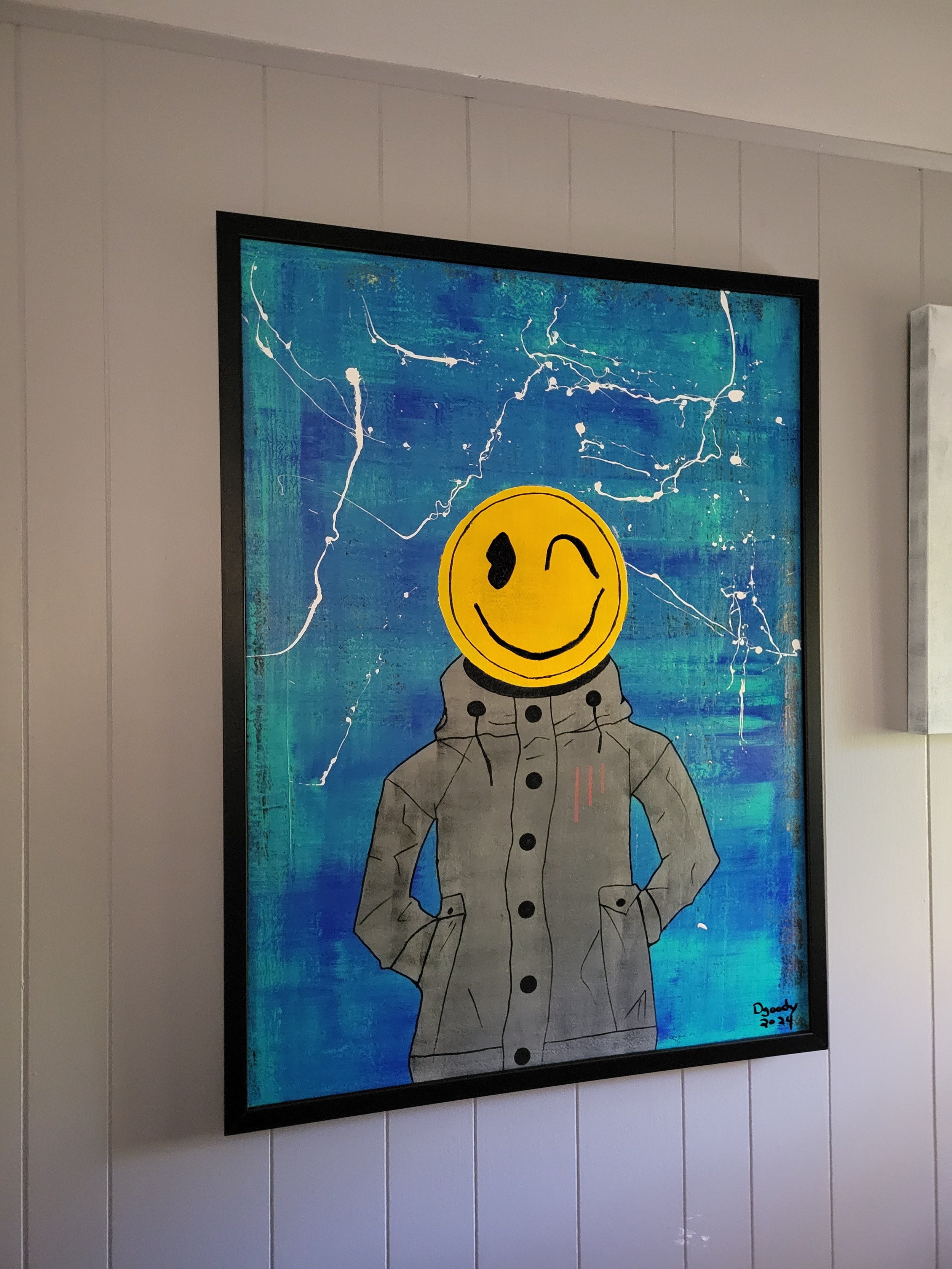
Mask of Tranquility with through the window, natural light.
Holding it in place requires a constant, quiet tension. His shoulders remain slightly lifted, as though bracing for impact. His jaw tightens. His thoughts compress into narrow corridors, leaving little room for spontaneity or ease. By the end of the day, he feels hollowed out and drained from the constant performance.
Therapy has begun to shift this dynamic, though only in small, tentative ways. His therapist encourages him to notice when the mask appears, not to rip it off, but to understand it. To consider what it conceals. Ansel is surprised by how often he wears it, even in moments that do not require it. He realizes the mask has become less a choice and more a reflex.
There are moments, however brief, when the mask slips.
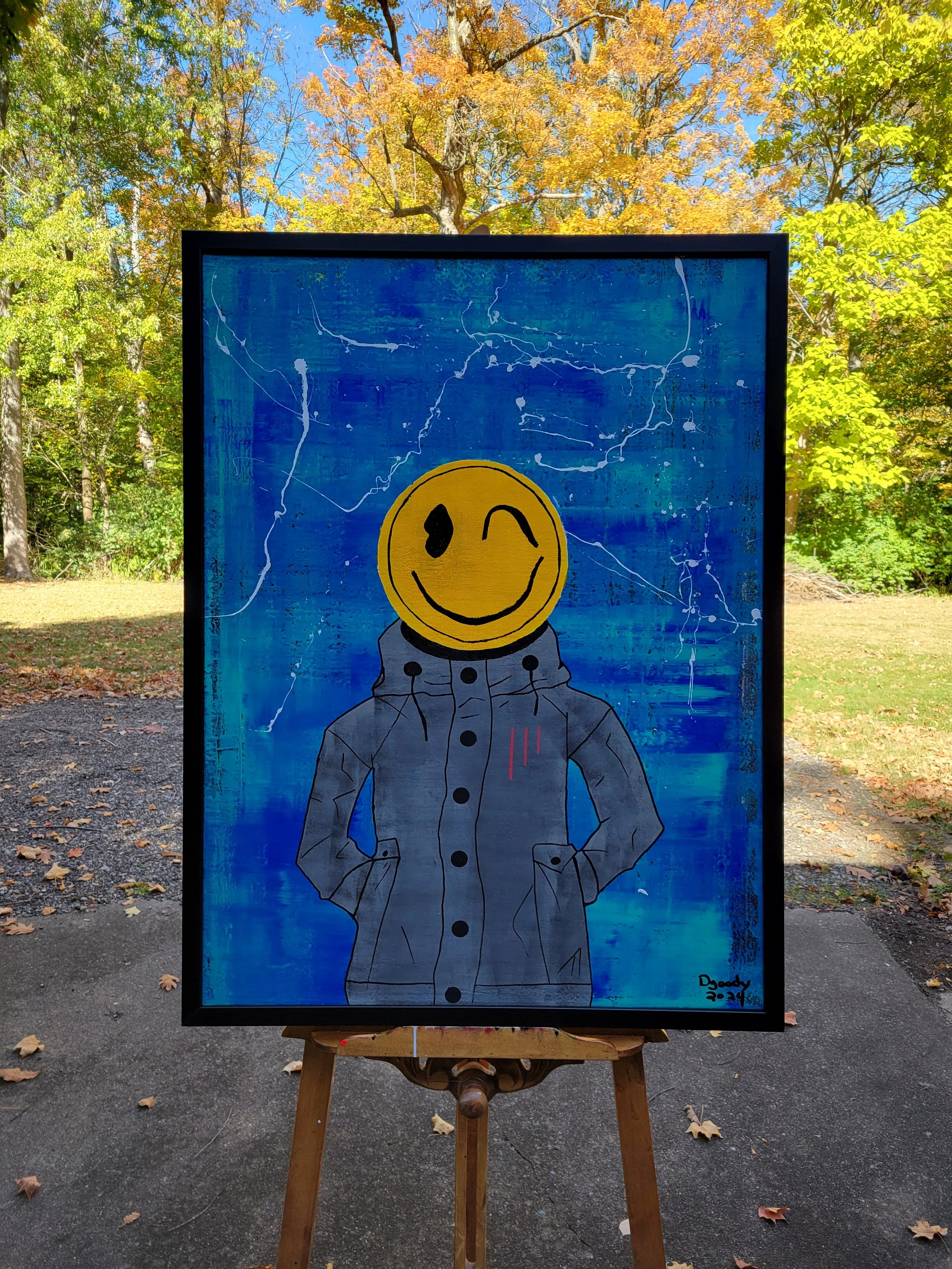
Mask of Tranquility outside in shaded, natural light.
A sigh he doesn’t catch in time. A tremor in his voice. A pause that lingers a second too long. In those moments, he feels exposed, but also strangely relieved. The world feels less distant. He begins to wonder if authenticity, even in small doses, might be less dangerous than he once believed.
One evening, after a long day of holding himself together, Ansel sits alone in his apartment. The light is soft, the room quiet. He feels the mask loosen, and then fall away entirely. The relief is immediate, like unclenching a fist he didn’t realize he’d been holding. He breathes deeply, letting the tension drain from his shoulders. For a moment, he allows himself to exist without performance, without pretense, without the need to appear unshaken.
It is not tranquility, at least not yet. But it is honest.
And in that honesty, he senses the faintest shift. A small opening. A possibility that one day, the calm he shows the world might not be a mask at all, but something real, something earned, something that rises from within rather than being constructed on the surface.
For now, he sits quietly, letting the truth of his inner world settle around him like dusk. The mask rests beside him, unused. And for the first time in a long while, he feels the beginnings of peace. It’s fragile, flickering, but undeniably present.