Chapter 5: “Terrified by the Shades of Night”
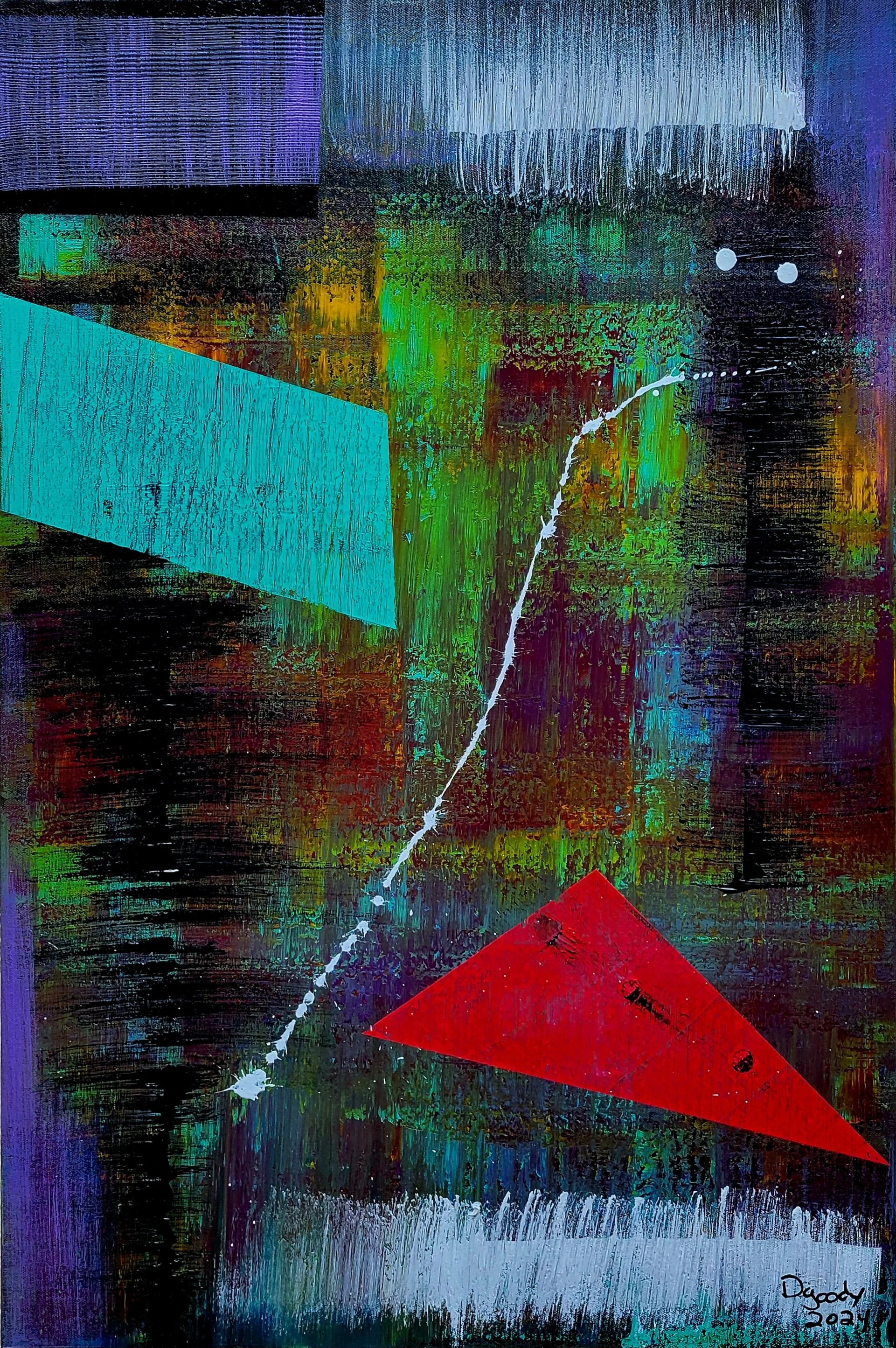
“Terrified by the Shades of Night”. Acrylic on 24 × 36 × 1.5 inch canvas.
For most, sleep is a gentle surrender. A slow drift into silence or a soft curtain drawn across the day. For Ansel, it is a heightened cliff. Each night he stands at its edge, eyelids heavy, body aching for rest, yet unable to step forward without terror. The descent into unconsciousness feels less like release and more like freefall into a void where his unwelcome companion waits.
The shadows in his room are not passive. They writhe and shift at the edges of vision, morphing into grotesque figures the moment he dares to close his eyes. A creak in the floorboards becomes a harbinger of danger. The rustle of leaves outside his window is transformed into a coded warning. Logic, the ally most people trust in the dark, abandons him. In its place rises paranoia, sharp and insistent, whispering: What if you don’t wake up this time?
Sleep, when it comes, is fractured. Fleeting bursts of unconsciousness are shattered by ambushes of catastrophic thought. Dreams are not refuge but battlegrounds, infiltrated by the companion’s voice. A stumble becomes a fatal collapse. A missed heartbeat becomes a death sentence. Even the most mundane fragments of thought are twisted into grotesque caricatures, dragging him deeper into panic. The night is not rest; it is a relentless confrontation.
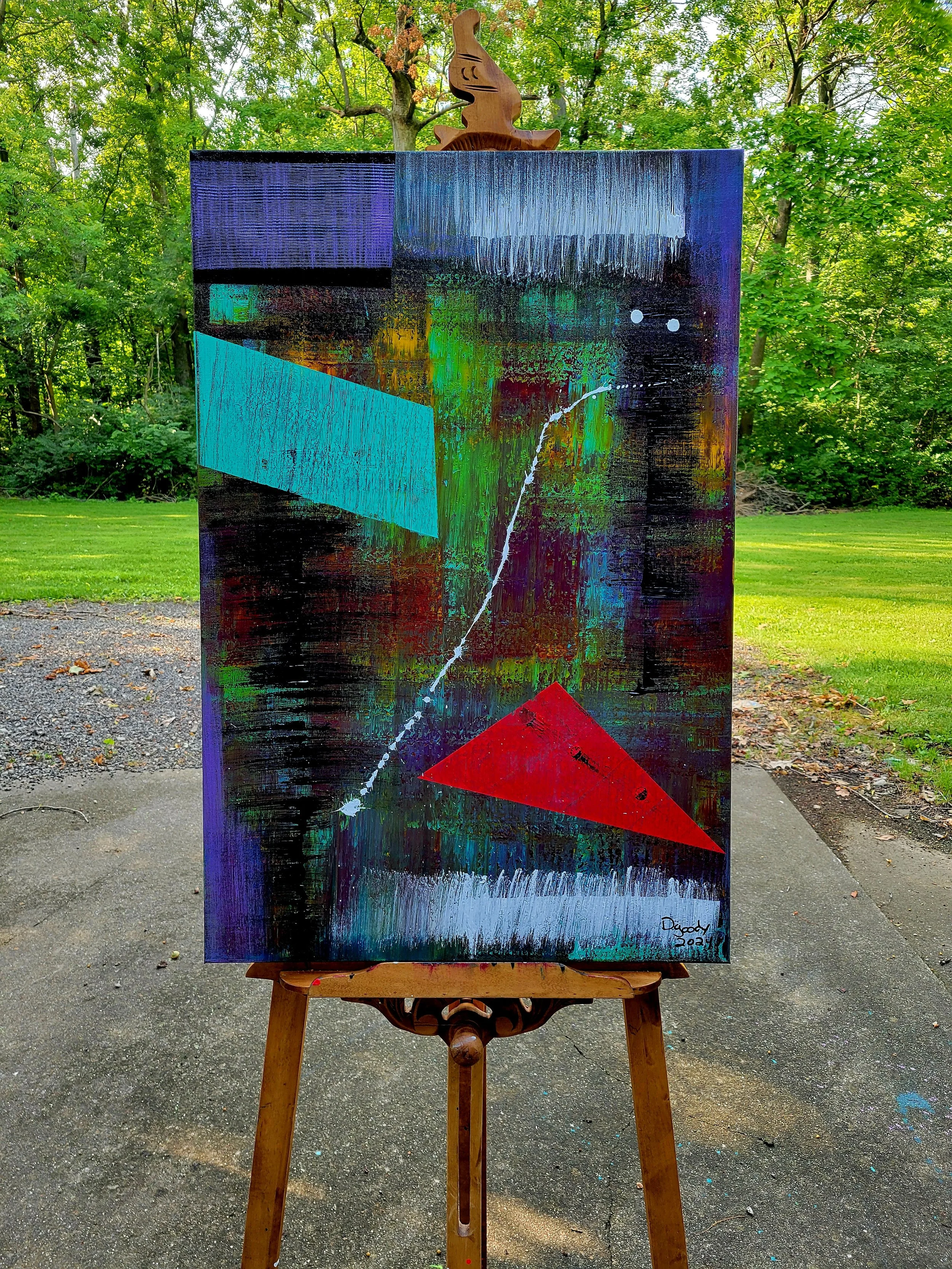
“Terrified by the Shades of Night” in natural light.
By morning, exhaustion clings to him. The companion retreats slightly in daylight, but its residue lingers — a fog that dulls his senses, a heaviness that makes even small tasks feel monumental. The cycle repeats, night after night, leaving Ansel caught between dread of sleep and desperation for it.
Yet within this torment, a fragile awareness begins to grow. He sees the pattern, recognizes the coup staged by fear each evening. He wonders if he can fortify himself against the night — not with barricades, but with rituals of calm, with small acts of defiance. Perhaps the darkness can be met not with panic, but with patience. Perhaps the companion’s grip can be loosened, even if only by degrees.
For now, the shades of night remain treacherous, a landscape where fear governs without mercy. But Ansel begins to imagine a dawn where sleep is not surrender to terror, but sanctuary. A place where the companion’s voice fades, and the silence of night is finally his own.

Example of how “Terrified by the Shades of Night” might look in a procured space.
Helpful Information:
If sleep feels impossible due to insomnia, night terrors, or intrusive thoughts, the most effective techniques involve calming the body, creating a safe sleep environment, and retraining the mind to respond differently to nighttime stress. These are practical, research-backed strategies you can try right away.
🌙 Techniques for Insomnia
Progressive muscle relaxation: Tense and release muscles from feet to head, paired with slow breathing, to reduce physical tension.
Consistent sleep schedule: Go to bed and wake up at the same time daily, even after poor nights.
Limit stimulants: Reduce caffeine, nicotine, and alcohol intake, especially in the afternoon/evening.
Wind-down routine: Read calming material, listen to soft music, or dim lights before bed to signal your body it’s time to rest.
Sleep environment: Keep the bedroom cool, dark, and quiet; use blackout curtains or white noise if needed.
😱 Coping with Night Terrors & Nightmares
Differentiate nightmares vs. night terrors: Nightmares occur in REM sleep and are remembered; night terrors happen in non-REM sleep with intense fear but little recall.
Keep a sleep diary: Track triggers like stress, food, or media exposure before bed.
Imagery rehearsal therapy (IRT): Rewrite the nightmare with a positive ending while awake, then rehearse it mentally.
Relaxation before bed: Breathing exercises, meditation, or gentle stretching reduce nighttime anxiety.
Safe environment: Weighted blankets, nightlights, or comforting objects can reduce fear responses.
Discuss fears openly: Talking with a trusted person or therapist can lessen their intensity.
🧠 Managing Intrusive Thoughts at Night
Label thoughts as intrusive: Remind yourself “this is just a thought, not reality”.
Grounding techniques: Use the 5-4-3-2-1 method (five things you see, four you touch, three you hear, two you smell, one you taste) to anchor in the present.
Breathing practices: Box breathing (inhale 4, hold 4, exhale 4) or 4-7-8 breathing calms the nervous system.
Mindfulness meditation: Observe thoughts without judgment, letting them pass like clouds.
Journaling before bed: Write down worries or intrusive thoughts to release them from your mind.
Cognitive defusion: Visualize thoughts as passing trains or leaves on a stream, separating them from your identity.
Acceptance: Instead of fighting thoughts, acknowledge them and remind yourself they don’t define you.
🛑 When to Seek Help
If sleep disruption persists for weeks, or intrusive thoughts feel overwhelming, consult a sleep specialist or mental health professional. Therapies like CBT-I (for insomnia), ERP (for intrusive thoughts/OCD), or trauma-focused therapy (for nightmares) can provide lasting relief.